The Digital Landlord: Centralizing Leases, Maintenance, and Payments


You know where your tenants live. The harder question is where all their information lives… Lease terms in one folder, maintenance requests in your email, payment records in a spreadsheet, and the last conversation buried in a text thread. When a tenant calls with a question, you're not answering from one system. You're reconstructing context from four.
A centralized property management system is a single workspace where tenant records, lease documents, maintenance workflows, and rent tracking are connected. It applies CRM (Customer Relationship Management) principles to rental operations: each tenant becomes a living profile linked to their lease, payment history, maintenance requests, and every communication.
This guide shows independent landlords, small property management companies, and growing portfolios how to build that system, so daily operations become structured and visible rather than scattered across tools that don't talk to each other.
TL;DR: Centralizing tenant records, leases, maintenance, and payments in one connected workspace eliminates the daily friction of switching between tools for landlords. The result is faster response times, fewer missed deadlines, and a professional tenant experience that drives retention.
The hidden cost of fragmented property management
When your rental operation is spread across multiple tools, the problems build gradually. Tenant details sit in a spreadsheet, leases live in shared folders, maintenance requests arrive by email or text, and payments are tracked somewhere else.
Where the real cost shows up
The friction isn't just inconvenience; it's a measurable risk. According to Apartments.com's analysis of turnover costs, the average tenant turnover costs landlords between $1,000 and $5,000 per unit when you factor in cleaning, repairs, vacancy loss, and re-marketing.
Much of that turnover is preventable: missed renewal dates, delayed maintenance follow-ups, and weak communication all push tenants toward leaving.
The fix isn't adding another tool. It's replacing scattered processes with one connected system where tenant information, documents, tasks, and financial records stay linked.
One source of truth: the tenant record
Every rental operation revolves around tenants, yet in most setups, tenant information is scattered across files, inboxes, and tools that don't stay in sync. Here’s what really belongs in a centralized tenant record:
|
Field |
What It Contains |
Why It Matters |
|
Contact details |
Phone, email, preferred communication channel |
Faster outreach, fewer missed messages |
|
Lease information |
Agreement terms, start/end dates, renewal deadlines, rent amount |
Prevents missed renewals and incorrect charges |
|
Maintenance history |
Past requests, resolution notes, contractor details |
Gives context for recurring issues and vendor performance |
|
Payment status |
Current balance, payment history, overdue flags |
Real-time cash flow visibility without manual reconciliation |
|
Documents |
Signed lease, addendums, move-in/move-out reports, notices |
Everything searchable in one place, not buried in folders |
|
Communication log |
Emails, notes, task updates tied to the tenant |
Full audit trail for disputes, renewals, and follow-ups |
Using a CRM-style setup in Bitrix24, each tenant becomes a living record. Communication is logged automatically, tasks and reminders tie directly to the tenant, and updates happen in real time.
Digitizing leases and documents
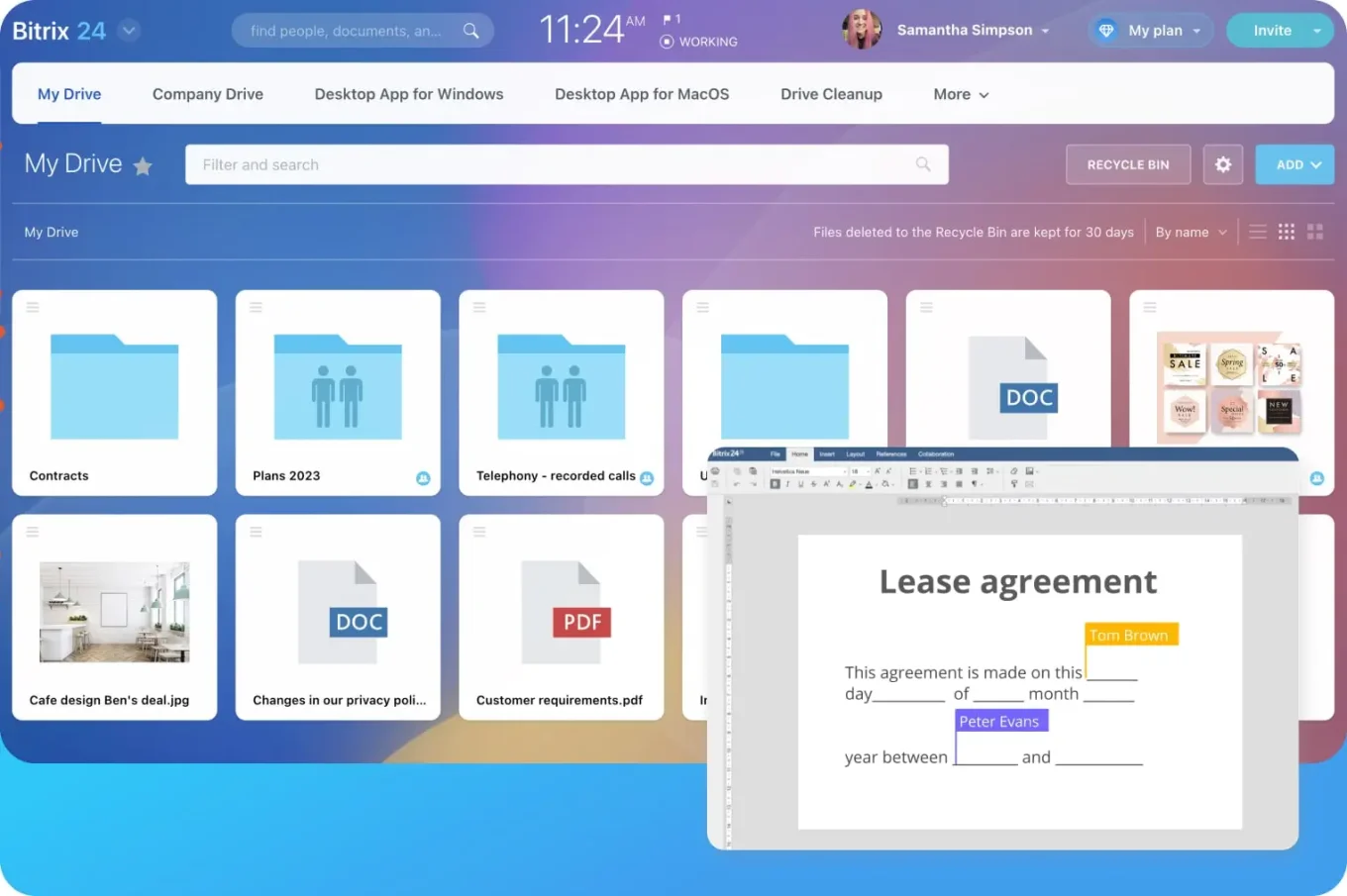
Leases are the backbone of your rental business, but they're often treated as static paperwork — signed once, filed away, and only retrieved when there's a dispute or renewal deadline.
Why digitized leases reduce risk
When leases are centralized, they become part of your daily workflow rather than a storage problem:
- Access agreements, addendums, and notices instantly
- Control who can view or edit sensitive files
- Stay ahead of renewal deadlines without relying on scattered calendar reminders
With Bitrix24, lease files link directly to tenant profiles: easy to search, share, and protect with permissions. Automated reminders ensure critical dates never get missed.
Pro tip: Set a three-stage renewal sequence: 90 days before expiration, notify the property manager to begin planning. At 60 days, send the tenant a renewal offer. At 30 days, escalate if the tenant hasn't responded.

Streamlined maintenance: from request to resolution
Maintenance is where property management most often breaks down. Requests come in at all hours through different channels, details are incomplete, and follow-ups get missed.
The stakes are significant. According to Fannie Mae's national renter survey, 28% of renters cited poor maintenance or property management as a top challenge during their lease, making responsive maintenance one of the highest-leverage retention tools available.
Building a predictable workflow
A centralized maintenance workflow replaces scattered emails and texts with a structured process:
|
Step |
What Happens |
Who’s Responsible |
|
1 |
Tenant submits issue with description and photos |
Tenant (via form, email, or portal) |
|
2 |
Request is categorized by urgency (emergency, standard, cosmetic) |
System automation or property manager |
|
3 |
Work order created and assigned to staff or contractor |
Property manager |
|
4 |
Updates logged as work progresses; parts ordered, scheduled, completed |
Assigned contractor or maintenance staff |
|
5 |
Confirmation sent when issue is resolved |
System automation |
|
6 |
Resolution notes, costs, and photos attached to tenant and unit record |
Property manager |
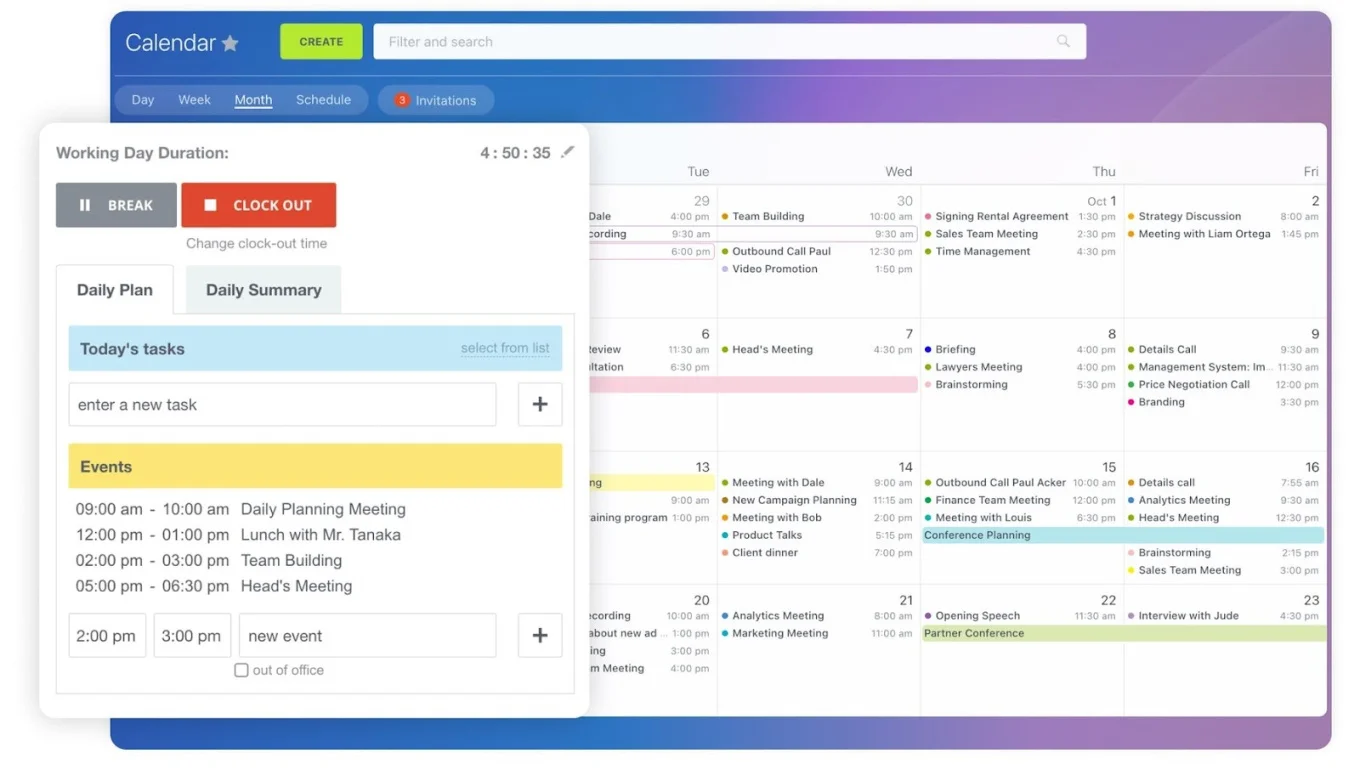
With Bitrix24, maintenance requests connect directly to tenant records and task workflows. Updates stay visible in real time, and notifications keep everyone aligned.
When structured tracking isn't worth the overhead
For landlords managing 1–3 units with infrequent repairs, a full ticket-based workflow creates more process than the volume warrants. A simple shared task list with reminders is sufficient until you're handling 5+ requests per month across multiple units.
Simplifying rent collection and payment tracking
Rent collection should be predictable. In practice, manual tracking and disconnected tools create confusion — time spent checking balances, reconciling records, and answering questions about what's been paid.
What centralized payment tracking changes
When invoices, payment status, and tenant communication live in one system:
- You know who's paid, who's overdue, and what needs follow-up (without jumping between tools)
- Invoices go out consistently with correct amounts tied to lease terms
- Records stay clean for reporting and tax preparation
- Follow-ups carry full context, not just a balance number
With Bitrix24, payment records tie directly to tenant profiles and lease terms. For tenants, this means clearer expectations and fewer disputes. For you, rent collection becomes a structured workflow rather than a monthly scramble.
Digital Property Operations Hub Templates: Lease and Payment Tracker
Enter your email address to get a comprehensive, step-by-step guide

A better tenant experience through operational clarity
Tenants never see your internal systems, but they experience the results. When operations are connected, maintenance requests go to one clear channel, confirmations arrive faster, lease documents and payment history are accessible when needed, and communication stays consistent.
Example scenario: A property manager with 35 units who routes all maintenance requests through a single intake form (connected to automated task assignment) can realistically cut average response time from days to same-day, simply by eliminating the delays caused by requests scattered across email, text, and voicemail.
This transparency sets expectations upfront and reduces unnecessary follow-ups. Over time, it strengthens retention: issues get resolved faster, conversations become easier, and you build a reputation as a professional, tenant-focused operation.
Getting started: practical steps toward centralization
The smoothest transitions happen step by step, starting with the areas causing the most daily friction.
- Audit your current setup. Map where tenant information, leases, maintenance requests, and payment records live today.
- Build centralized tenant records first. Import contact details, active lease terms, and key dates into one workspace. This becomes the foundation everything else connects to.
- Organize documents by tenant or unit. Move active leases, addendums, and compliance files into the tenant record with permission controls.
- Set up a basic maintenance workflow. Create a request intake channel, define how issues get prioritized, and connect resolution tracking to the tenant record.
- Standardize payment tracking. Bring invoicing, payment status, and overdue follow-ups into the same system.
- Add automation incrementally. Start with renewal reminders and maintenance task assignments, then expand into automated follow-ups and reporting as your process matures.
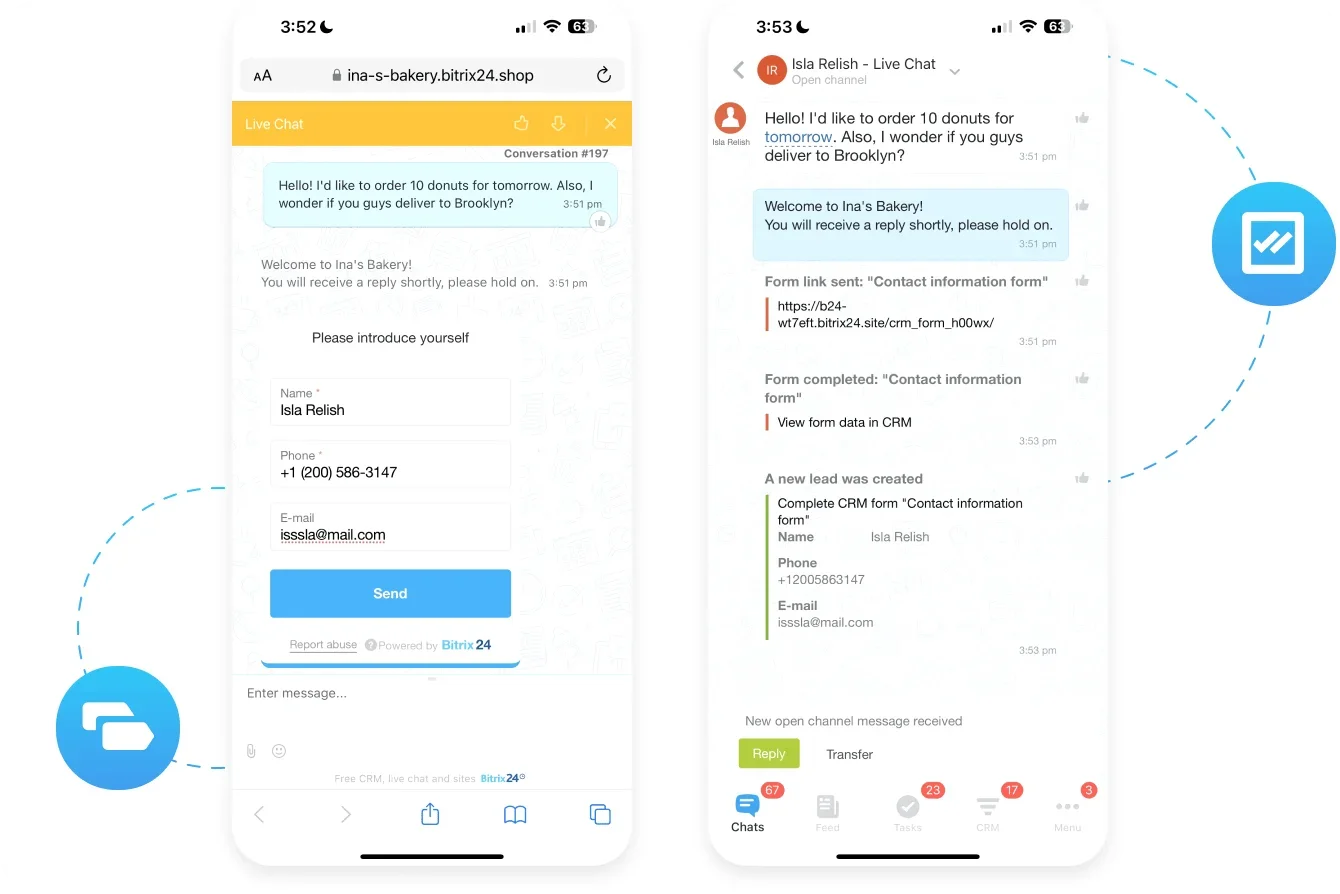
With Bitrix24, these steps don't require heavy technical setup. Records, files, tasks, and reminders live together from the start, and the mobile app means you can manage operations from the property, not just the office.
When centralization falls short
A connected system is high-leverage for most rental operations, but there are three situations where a lighter or hybrid setup works better.
Very small portfolios. If you're managing 1–3 units with long-term tenants and minimal turnover, a simple folder structure with calendar reminders can work until your portfolio grows.
Tenants with low digital comfort. If a significant portion of your tenants prefer phone calls and paper communication, forcing digital-only channels creates friction. Offer digital options as the default, but keep a path for phone or in-person requests that your team enters on the tenant's behalf.
No commitment to data entry. A centralized system is only useful if records stay current. If maintenance updates, payment notes, or communication aren't logged, the "source of truth" drifts. Agree on minimum data standards before going live.
A smarter way to run your rental business
When leases, maintenance, and payments live in one connected workspace, you stop managing “where things are” and start managing outcomes. Response times drop. Deadlines don’t get missed. Conversations come with context. And small issues are far less likely to snowball into disputes, bad reviews, or non-renewals.
If you’re growing past a handful of units, the question isn’t whether you’ll need a system. It’s whether you’ll build one intentionally now — or assemble one under pressure later.
Bring your rental operations into one system and start for free with Bitrix24 today.
Revolutionize your Rental Business
Use Bitrix24's unified workspace to centralize tenant records, leases, maintenance, and payments. Minimize operational friction, maximize efficiency.
Start NowFrequently asked questions
How can I track lease expirations automatically?
Store lease start and end dates as custom fields in each tenant's CRM record, then set automated reminder sequences tied to those dates. A typical setup triggers a notification to the property manager 90 days before expiration, a renewal offer to the tenant at 60 days, and an escalation alert at 30 days if no response. In Bitrix24, these reminders are configured through automation rules linked to the tenant record.
Is there a portal for tenants to report issues?
Yes. Bitrix24 supports web-based forms that tenants can use to submit maintenance requests with descriptions, photos, and unit details. Each submission automatically creates a task in your workspace, categorized and assigned based on rules you define. For tenants who prefer other methods, your team can enter requests manually into the same system.
Can I store photos of property conditions in the CRM?
Yes. Photos from move-in/move-out inspections, maintenance work, and property condition reports attach directly to tenant or unit records. This creates a visual audit trail useful for dispute resolution, security deposit documentation, and tracking property condition over time.
How many units can the system handle?
There's no practical ceiling for most independent landlords and small management companies. Bitrix24's CRM supports thousands of records with custom fields and filters. The constraint is data quality, not capacity.
Can I use this system if I work with a property management team or contractors?
Yes. Bitrix24's collaboration tools let you assign tasks to team members or external contractors, control what each person can see and edit, and keep communication tied to specific tenants or maintenance issues. This is particularly useful when coordinating with vendors who need task details but shouldn't access lease or financial information.
What reports can I pull from a centralized system?
With tenant records, payment data, and maintenance history in one workspace, you can generate reports on rent collection rates, overdue balances, average maintenance resolution time, lease renewal rates, and vacancy trends. Bitrix24's reporting tools pull from live data, so reports reflect current status rather than requiring manual assembly.